 Top Pick
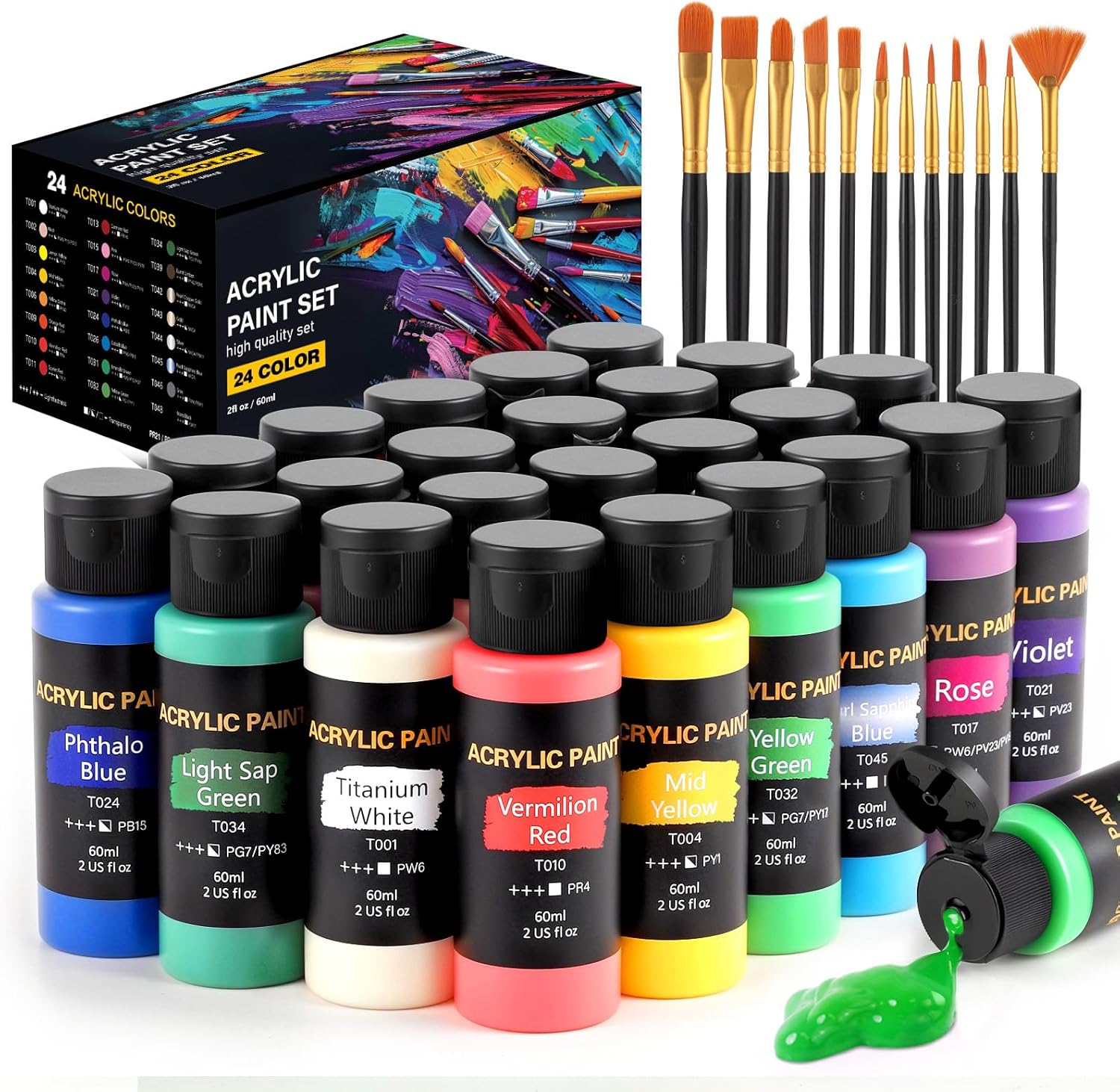
Listing title: Shuttle Art Acrylic Paint, 36 Colors Acrylic Paint Set with Brushes & Palette, 2oz/60ml Bottles, Rich Pigments Non-toxic for Artists Kids & Adults, Painting on Canvas Rocks Ceramic Wood
AcrylicHobbyist
Shuttle Art Acrylic 36 Colors
4.7/ 5
8,900 reviews
Pieces
36
Thirty-six non-toxic acrylic colors in 2 oz bottles with brushes and palette. For canvas, rocks, ceramic, wood, and mixed projects.
What's included
- 36 colors, 2 oz / 60 ml bottles
- Brushes and palette included
- Non-toxic formula
- Canvas, rocks, ceramic, wood
Buy on Amazon
Price and availability are shown on Amazon. We may earn a commission from qualifying purchases.
Deep dive
In-depth overview
Editorial notes on use cases, care, and classroom ideas — not a copy of the retailer listing.
Shuttle Art’s thirty-six color acrylic system is aimed at anyone who wants the ceremony of opening bottles without the intimidation of a full oil studio. Two-ounce jars read as generous when you are blocking in skies, underpainting panels, or covering thrift-store frames for a cohesive gallery wall. Brushes and a palette included in the bundle reduce the “I forgot something” panic that derails first sessions. Non-toxic labeling matters for families where the kitchen table doubles as a studio and where younger siblings drift through the room with curiosity and sticky hands.
Acrylic rewards decisive moves and punishes endless fiddling once a skin forms on the palette. Learn to mix slightly more than you think you need for large passages; remixing an exact midtone match is harder than textbooks suggest. Rocks and ceramics appear often in social feeds, but surface prep still rules: dust, oils, and cold glaze all change adhesion. Test on the bottom edge of a rock before you commit the hero side. Wood benefits from sanding and a compatible primer when you want outdoor durability; indoor signs can be simpler if you accept gentle handling.
Canvas panels and stretched canvas behave differently under wet brush loads; beginners sometimes blame paint when the real issue is insufficient tension or a thirsty ground. If you prime yourself, keep notes on brands and ratios so you can reproduce happy accidents. Layering thin veils usually looks more luminous than one thick slab that cracks while drying. When you shift to detail, switch to smaller brushes early rather than carving into half-dry paint with a worn filbert.
Classrooms and camps love acrylic because cleanup is water-based, but ventilation still matters when dozens of bottles are open. Establish a cap policy, pour modest puddles, and refresh rinse water before it becomes opaque soup. Teachers can assign roles: one student mixes neutrals, another tracks dirty brushes, a third labels drying panels with painter’s tape tags. Those small rituals prevent chaos more than any brand promise.
Hobbyists blending collage with paint should think about adhesion between acrylic and glue films. Sometimes a barrier coat or a specific medium is the professional answer; forums are noisy, manufacturer sheets are quieter and more reliable. If you sell small originals, document your varnish plan; not every acrylic needs varnish, but many buyers expect a consistent finish. Photograph packaging lot codes if you ever need support.
When you teach siblings or neighbors, rotate “palette captain” roles so one person mixes neutrals while another keeps water cups clean; social structure prevents half-dried puddles from becoming everyone’s problem. If you paint outdoors, bring a light windbreak for small panels and weigh down corners; acrylic picks up debris when surfaces stay tacky too long. Journaling painters can tape small swatches inside the journal cover noting which rock finishes or wood sealers worked with this specific paint body so you are not guessing next summer.
Storage changes shelf life. Keep bottles upright, wipe threads, and store away from radiators. Brushes should never rest bristle-down in liquid. If you travel, bag bottles individually to prevent cap loosening. Affiliate links help sites compare bundles, but your workflow design—palette discipline, brush respect, surface honesty—determines whether Shuttle Art becomes a chapter in a long painting habit or a single weekend burst. Paint with intention, label your mixes, and let thirty-six colors teach you relationships rather than overwhelm you with novelty.
Related
You may also like
Same category picks when available; otherwise popular alternatives from the catalog.
Top Pick